
Hyperloop technology
Understand the main technologies that need to work together in a hyperloop system.
The technology behind hyperloop
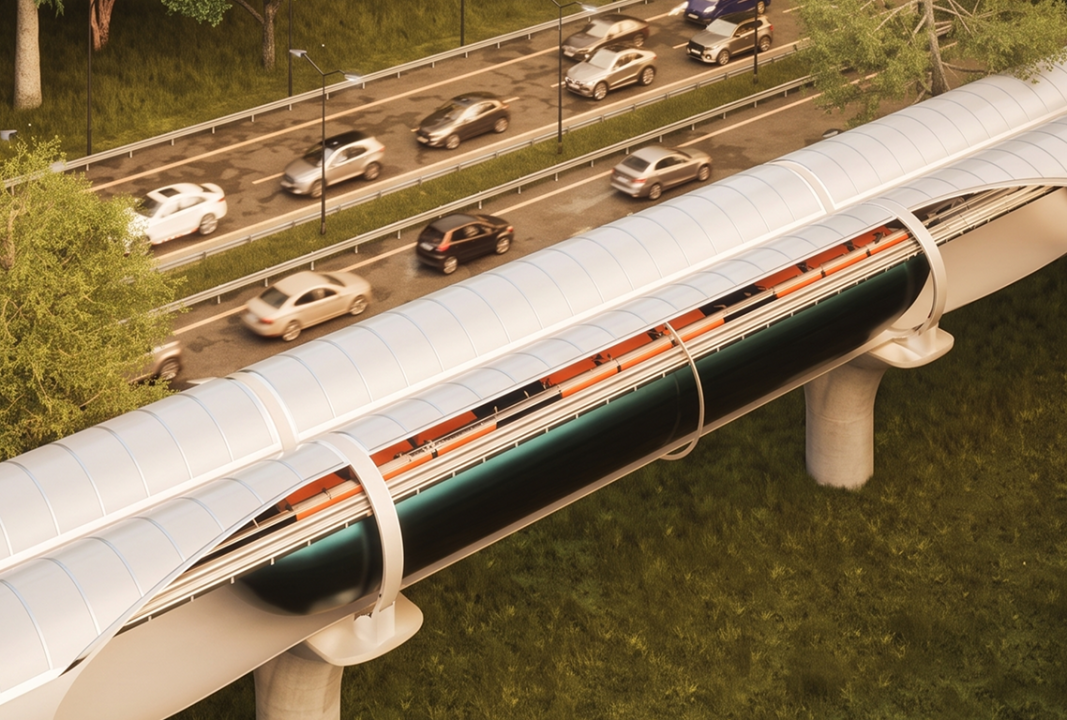
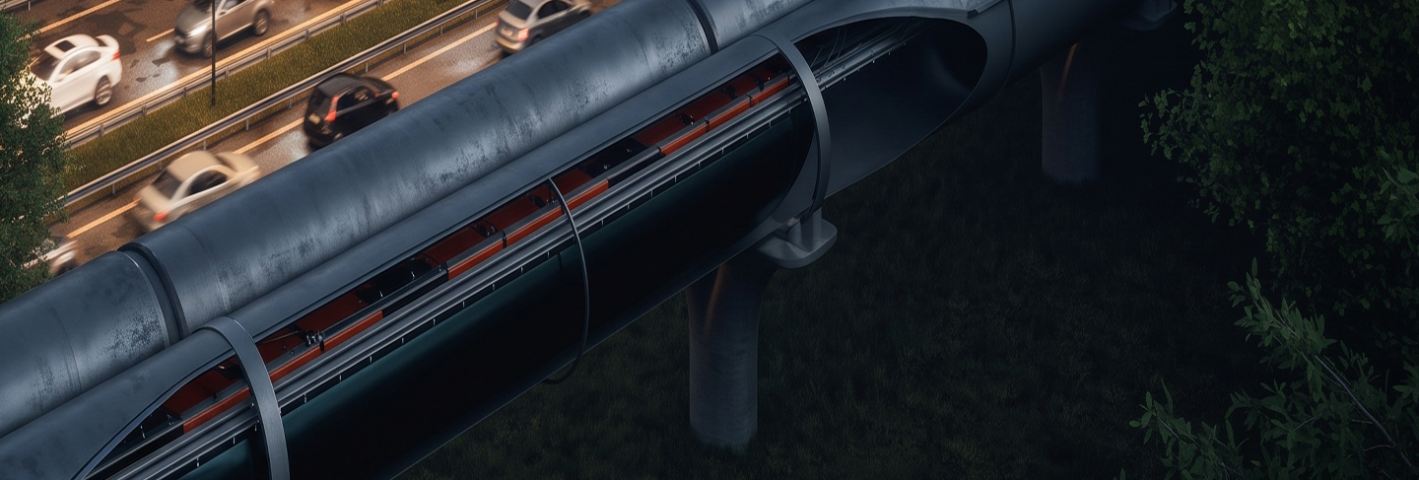
Hyperloop is a system of connected technologies rather than one single invention. A future system could combine a low-pressure tube environment, levitation or low-friction guidance, electric propulsion, sensors, digital control, communication, switching and safety systems. Each subsystem must be developed individually and then validated as part of the complete system.
Key takeaways
Hyperloop is a system of systems.
Low-pressure operation, levitation, propulsion and control are closely connected.
Safety and monitoring must be designed into the system.
Network operation creates additional challenges beyond a single test track.
Low-pressure tube environment
Reducing the air pressure inside the tube can lower aerodynamic resistance around the vehicle. This is one of the core ideas behind hyperloop. Creating and maintaining a low-pressure environment at scale introduces its own engineering questions, including sealing, monitoring, maintenance and safety.
Levitation and guidance
Many concepts use magnetic technologies to support or guide the vehicle. Reduced physical contact can lower mechanical friction and wear, depending on the chosen design.
Levitation and guidance also require precise control and a clear understanding of how the vehicle behaves under normal and abnormal conditions.
Electric propulsion
Electric propulsion can accelerate and control the vehicle without relying on combustion on board. The environmental performance of a future system would still depend on the full energy and infrastructure chain, not only the propulsion technology.
Sensors, control and communication
A high-speed automated transport system would need continuous information about the state of the vehicle and infrastructure. Sensors can measure conditions; control systems can interpret this information and respond.
Communication, cybersecurity and system redundancy therefore form part of the wider technical challenge.
Switching, stations and networks
A transport network needs more than a straight test tube. Vehicles would need to enter, leave and potentially change routes safely. Stations, switching, traffic management and interfaces with existing transport are therefore important areas of future system research.
Frequently asked questions
Quick answers about the project, hyperloop technology and how to take part.
Still have questions?
Contact usNo. Different developers can make different choices for levitation, propulsion, vehicle design and infrastructure.
Lower air pressure can reduce aerodynamic drag, which is especially relevant at higher speeds.
They provide information needed to monitor the vehicle and infrastructure and support safe, predictable system operation.