
Discover how future mobility works
Hyperloop can be used as a learning case to explore physics, technology and design. Students can ask simple questions such as why air resistance matters, how magnets can guide or lift objects and how engineers test new ideas. The aim is not to convince young people that one technology will define the future, but to make science, experimentation and mobility innovation easier to explore.
Start with things you can see
What happens when air pushes against a moving object? How can magnets attract or repel? Why do engineers build small tests before full-size systems?
Connect hyperloop to familiar experiments before introducing technical terms.
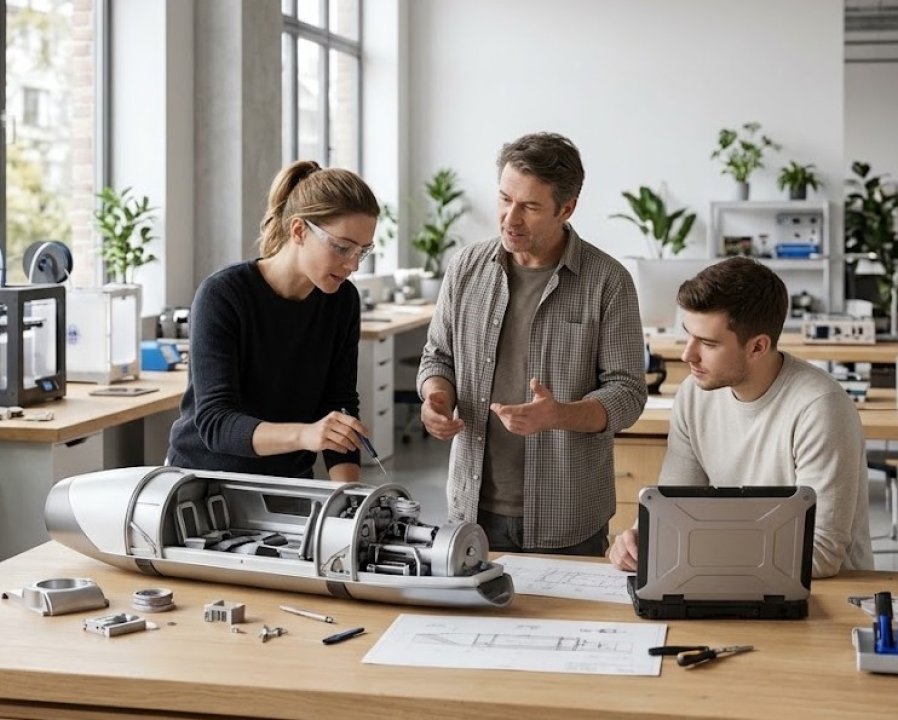
Learn by doing
The HyperBRIDGE personas show that younger learners engage through visual and hands-on experiences. Use short videos, animations, quizzes, models, classroom experiments and challenges.
There are no wrong first questions
Technology can look difficult when it is explained too quickly. Encourage students to ask basic questions and explore one principle at a time.
Meet the people behind technology
Show real researchers, technicians, designers and students. Role models can help learners understand that future mobility is created by teams with many different skills.
Key takeaways
Keep explanations visual and short.
Connect abstract technology to familiar experiments.
Show diverse real-world roles.
Always offer a clear next activity.
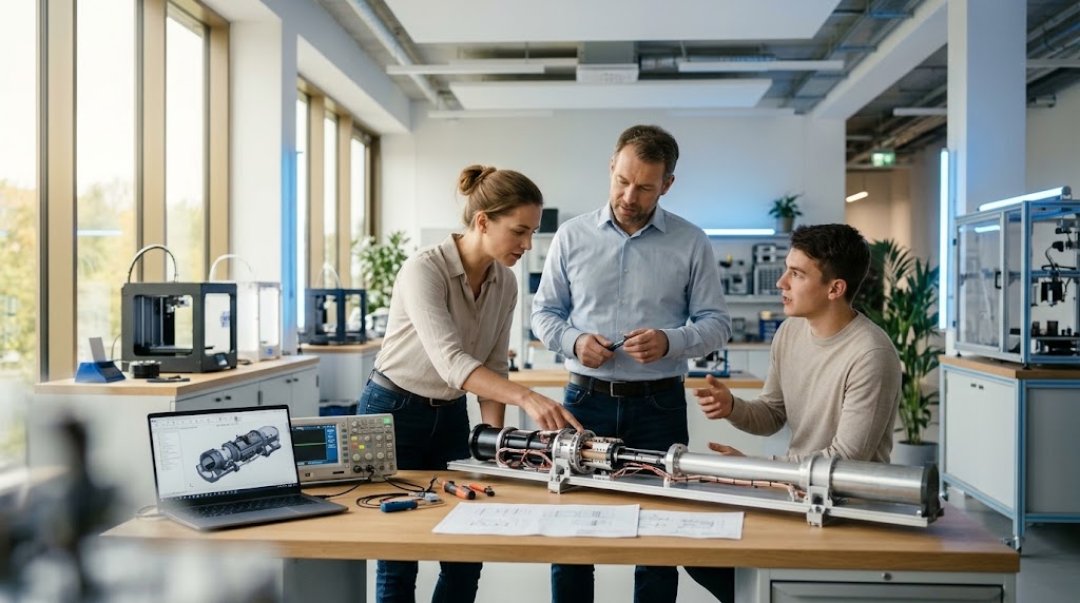
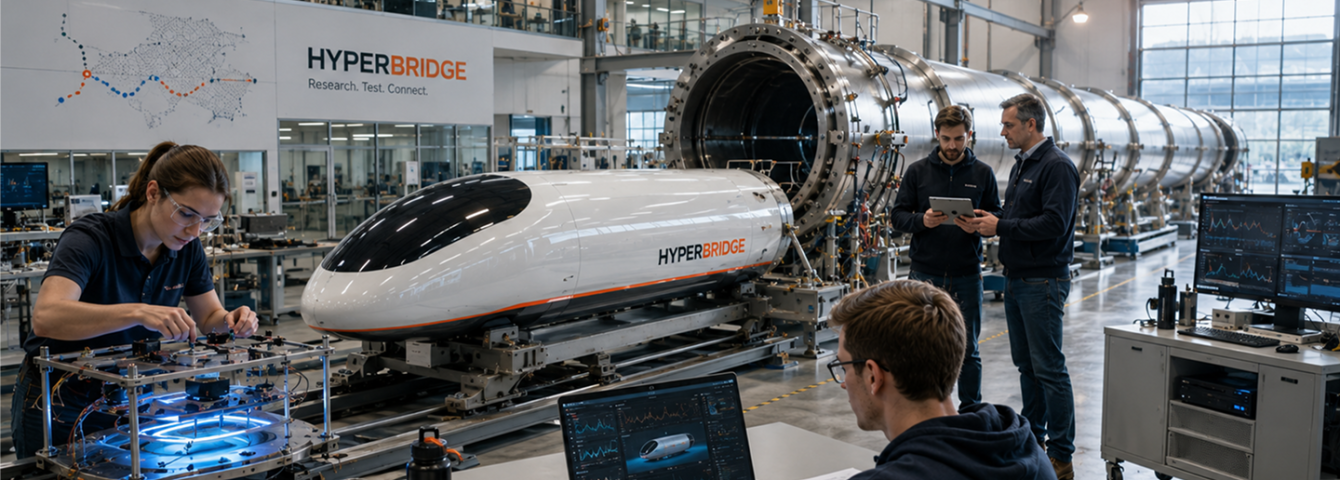
What can I do next?
Link to a simple next step: another Academy module, a classroom activity, an event, a challenge or a study inspiration page.
Start exploringFrequently asked questions
Quick answers about the project, hyperloop technology and how to take part.
Still have questions?
Contact usHyperloop is a real area of research, but there is no widely available commercial passenger network today.
Some concepts use magnetic guidance or levitation to reduce physical contact, while lower air pressure reduces air resistance.
Yes. Start with simple examples, visuals and experiments. Technical detail can be added step by step.